



2 educators answered this one
Launch Lessons with a Quick Quiz
Binit AgarwallaFounder · TeachBetter.aiOne of the most effective ways to improve attendance is to make students feel that something exciting and meaningful happens the moment they walk into the classroom.
In many schools, attendance is still treated as an administrative task. Teachers spend the first few minutes calling out names, while students passively wait. Instead, we should think of attendance as the first opportunity to engage learners.
A simple routine that has shown remarkable results is starting every class with a 2-3 minute interactive learning check-in. Rather than asking, "Who's present?", teachers ask a quick question related to the previous lesson or today's topic. Students immediately participate, creating energy and curiosity from the very beginning of the class.
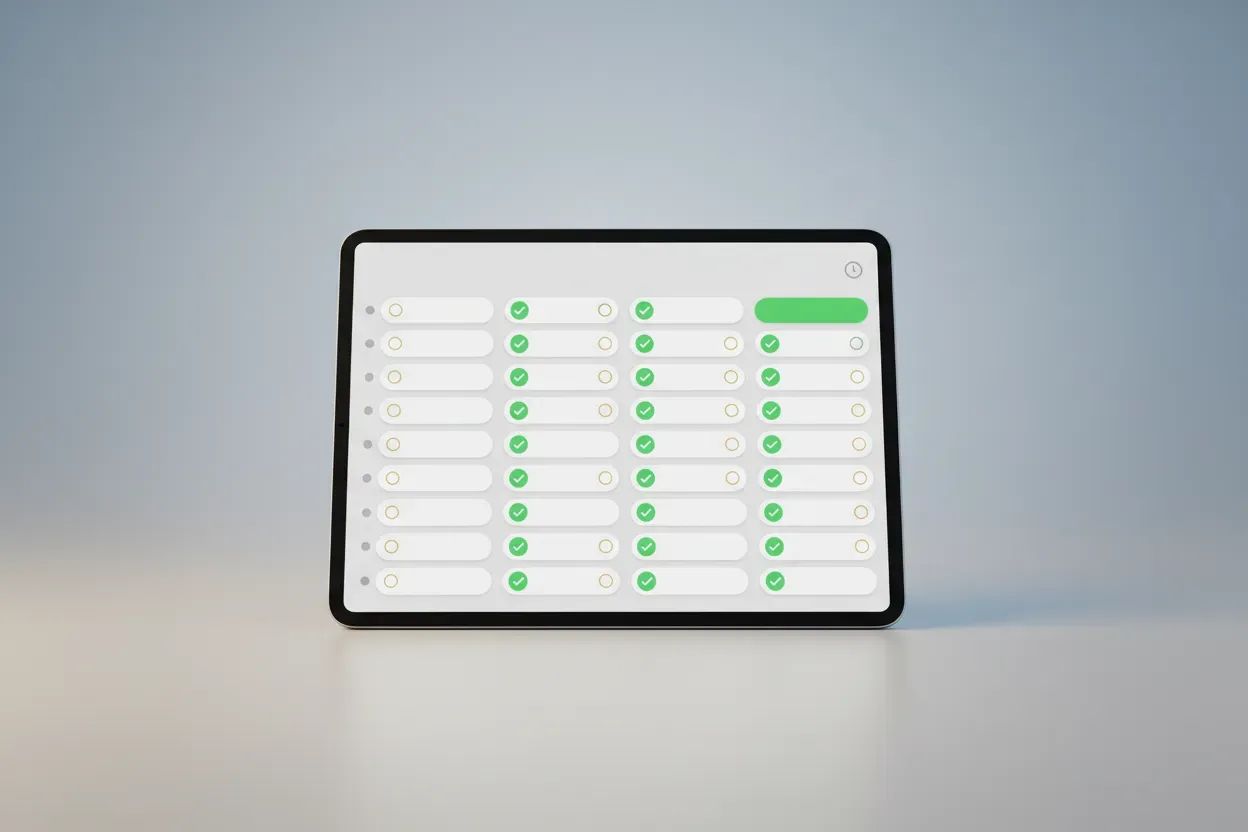
This is precisely the thinking behind PaperQR Live Quiz, an innovation we've developed at TeachBetter.ai. Every student receives a unique PaperQR card. The teacher begins the lesson with a short AI-generated quiz, and students respond by simply holding up their PaperQR cards. Using a smartphone, the teacher scans the classroom once, and within seconds the system captures attendance, student responses, instant scores, and learning insights—without requiring students to use mobile phones, tablets, or laptops.
The impact goes far beyond saving a few minutes of administrative work. Students know that every class begins with an engaging activity, which encourages punctuality and keeps them attentive from the first minute. Teachers receive immediate feedback on who has understood the previous lesson, allowing them to address learning gaps before introducing new concepts. Over time, this transforms attendance from a routine compliance exercise into an integral part of the learning process.
In our experience, improving attendance is rarely about stricter monitoring. It is about creating classrooms that students are genuinely excited to be part of. When attendance, engagement, formative assessment, and instant feedback happen together in the first few minutes of every lesson, both student participation and learning outcomes improve naturally.
The best attendance strategy is not taking attendance more efficiently—it's giving students a reason to look forward to every class.
Send Same-Day Supportive Family Messages
One simple routine that can improve attendance without creating extra work for staff is a quick same-day check-in for students who begin showing a pattern of absences or tardiness. Once morning attendance is recorded, a designated staff member can spend a few minutes reviewing the list and sending a short, standardized message to families of students who are unexpectedly absent.
The message should feel supportive rather than disciplinary. Something as simple as, "We missed seeing your student this morning and wanted to check in," lets families know that the student's presence is noticed and valued. Using a prepared template or automated messaging system keeps the process manageable, even during busy mornings.
Consistency is what makes this routine effective. Regular check-ins can encourage accountability while also helping schools identify practical barriers, such as transportation or scheduling challenges, before attendance becomes a larger issue.
The goal is to be proactive, not punitive. A brief daily attendance review paired with simple family outreach can strengthen communication, reinforce the importance of showing up, and support better attendance without adding a significant workload for teachers or administrative staff.
Create a Self-Serve Tardy Pass Station
A self-serve late-pass spot ends long waits at the front desk. Students check a clock, write a pass, or scan a simple code, and move on. This quick start lowers stress and speeds the first task of the day. Office staff gain time to handle urgent needs.
Records stay clean because the same steps happen every time. The setup fits on a small table and needs only a sign and supplies. Place a small station by the main door and teach the steps during homeroom.
Play a Daily Bell Song Cue
Soft, familiar music at the bell can act like a friendly clock for students. When the same tune plays each morning, minds shift into school mode faster. The cue lowers chatter and moves feet toward class without extra reminders. Short start and end notes set a calm tone and reduce late slips.
Staff can keep the volume steady so halls stay calm. Over time, the sound becomes a habit trigger that supports punctuality. Pick one upbeat song and play it at the same minute each day.
Establish One Clear Entry Route
A single, well marked entry path stops the morning zigzag. Students know where to walk, who will greet them, and where to go next. This cuts side trips and slows that lead to late marks. Clear signs and floor arrows reduce questions at the door.
Fewer choke points also mean calmer halls and safer flow. The routine frees adults to support students who need help. Map one clear path from curb to class and test it for two weeks.
Start a Buddy Meet-Up Plan
A buddy plan makes attendance a shared goal, not a solo chore. Pairs send a short check-in message or meet at a set spot before class. This friendly nudge helps students leave home on time and feel expected. Missed days drop when peers offer kind reminders and notice patterns.
The plan also builds ties for new or shy students. Simple norms keep it positive and safe. Match buddies by grade and start with a daily two-minute check-in.
Grant Homeroom Perks for On-Time Starts
Homerooms can earn group perks for steady, on-time starts. Shared rewards like a song choice, a game minute, or class shout-outs lift morale. A visible chart turns progress into a fun race without pressure. Small wins build pride and make punctuality feel worth the effort.
Teachers gain smoother openings when most seats fill on time. The key is fast feedback and rewards that all can enjoy together. Pick one simple perk and post this week’s on-time goal today.